
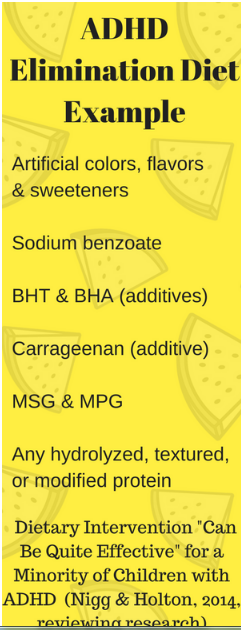
What Is an Elimination Diet for ADHD?
Attention-deficit/hyperactivity disorder (ADHD) is a neurodevelopmental condition that can affect a child’s attention, impulse control, activity level, and daily functioning.
An elimination diet for ADHD in children involves temporarily removing specific foods or ingredients suspected of worsening symptoms and then carefully reintroducing them to see whether there is a consistent change in behavior.
Some children may experience changes in attention, hyperactivity, or irritability in response to particular dietary ingredients. However, food does not cause ADHD, and an elimination diet is not a proven cure for the condition.
Dietary changes may help selected children, but they do not replace evidence-based ADHD treatments.
Can an Elimination Diet Help Children With ADHD?
Research suggests that dietary interventions may benefit some children with ADHD, although the response varies considerably between individuals.
Potential areas of improvement include:
- Attention and concentration
- Hyperactivity and impulsivity
- Irritability and emotional regulation
- Sleep and general well-being, when related to specific dietary problems
The evidence for restrictive elimination diets remains limited and inconsistent. Broad elimination diets are not routinely recommended for every child with ADHD.
A balanced diet, adequate sleep, physical activity, behavioral strategies, school support, and appropriate medical treatment remain important parts of ADHD management.
Which Foods Should Be Monitored in Children With ADHD?
Rather than automatically eliminating many foods, parents should identify possible dietary triggers based on the child’s symptoms and eating habits.
1. Artificial food colours
Some studies suggest that certain artificial food colours may increase hyperactive behavior in a subset of children. The effect is generally modest, and not every child is sensitive to these ingredients.
What parents can do: Check packaged food labels and consider reducing brightly coloured processed snacks if a clear relationship with symptoms is suspected.
2. Foods containing added sugar
Sugary drinks, sweets, biscuits, and other highly sweetened foods can contribute to poor overall diet quality. However, evidence that sugar directly causes ADHD or consistently worsens its core symptoms is weak.
What parents can do: Limit sugary drinks and frequent sweets, and encourage regular balanced meals and snacks.
3. Food additives and preservatives
Some children may appear sensitive to particular food additives, but evidence does not support eliminating all preservatives from every child’s diet.
What parents can do: Keep a food and behavior diary before making substantial dietary changes.
4. Foods associated with suspected allergies or intolerances
Milk, wheat, eggs, soy, and other foods may need assessment if a child has symptoms suggesting a food allergy or intolerance.
However, these foods should not routinely be removed simply because a child has ADHD.
Important: Food allergy testing and dietary elimination should be guided by a qualified healthcare professional when an allergy is suspected.
ADHD Elimination Diet Food List
The goal is not to create a long list of forbidden foods. It is to provide a balanced diet while investigating possible individual triggers.
| Food group | Foods to include or consider |
| Protein | Eggs, lentils, beans, chicken, fish, tofu |
| Whole grains | Oats, whole-wheat roti, brown rice |
| Fruits | Apples, bananas, oranges, seasonal fruits |
| Vegetables | Green leafy vegetables, carrots, pumpkin |
| Healthy fats | Nuts and seeds, if age-appropriate and safe |
| Calcium-rich foods | Milk, yogurt, or suitable fortified alternatives |
For families in Nepal, practical options include dal-bhat-tarkari, seasonal fruits, eggs, beans, and other locally available nutritious foods.
If a particular food is suspected of triggering symptoms, seek professional guidance before removing it, especially if it is an important source of protein, calcium, iron, or other nutrients.
How to Try an Elimination Diet Safely
A structured approach is more useful than randomly removing foods.
Step 1: Record your child’s baseline symptoms
For one to two weeks, record your child’s attention, activity level, sleep, mood, and behavior at home and school. Note any patterns related to meals.
Step 2: Identify a specific suspected trigger
Discuss the diary with your child’s pediatrician or child neurologist. Avoid eliminating multiple food groups without a clear reason.
Step 3: Make a targeted dietary change
If appropriate, temporarily remove the suspected ingredient under professional guidance. The duration depends on the suspected trigger and the clinical plan.
Step 4: Monitor symptoms objectively
Use consistent observations and, where possible, feedback from parents and teachers. Avoid relying on a single unusually good or difficult day.
Step 5: Reintroduce the food when appropriate
Carefully reintroducing the food can help determine whether the symptoms change consistently. Do not attempt home reintroduction if a food allergy could cause a serious reaction.
Step 6: Maintain a nutritionally balanced diet
If a specific food is confirmed to be a trigger, a dietitian can help identify suitable alternatives and prevent nutritional deficiencies.
What Should Children With ADHD Eat?
There is no single ADHD diet that works for every child. A balanced dietary pattern can support general health and development.
Parents should aim to provide:
- Regular meals with protein-rich foods
- Whole grains and fiber-rich foods
- A variety of fruits and vegetables
- Adequate water
- Healthy sources of fats
- Age-appropriate portions and consistent meal routines
Omega-3 fatty acids have been studied in ADHD, but supplementation has shown inconsistent and generally modest benefits. Supplements should not replace established treatments.
Avoid expensive supplements, extreme restrictive diets, or claims that a particular food can cure ADHD.
Common Mistakes Parents Should Avoid
Mistake 1: Removing too many foods at once.
This makes it difficult to identify the actual trigger and may lead to nutritional deficiencies.
Mistake 2: Stopping ADHD medication without medical advice.
Dietary interventions should not replace prescribed medication or behavioral treatment.
Mistake 3: Assuming sugar causes ADHD.
Reducing excess sugar is sensible for general health, but ADHD is a complex neurodevelopmental condition.
Mistake 4: Using unproven food sensitivity tests.
Many commercially available tests are not validated for diagnosing dietary triggers of ADHD.
Mistake 5: Continuing a restrictive diet without monitoring growth.
Children need sufficient calories, protein, vitamins, and minerals for healthy development.
When Should You Consult a Child Neurologist?
Consider professional assessment if your child has persistent inattention, excessive activity, impulsivity, learning difficulties, or behavioral problems affecting home and school life.
A child neurologist or qualified ADHD clinician can assess symptoms, consider other contributing conditions, discuss evidence-based treatment, and help determine whether a dietary intervention is appropriate.
In Nepal, parents should seek care from a qualified clinician rather than relying on dietary changes alone.
Frequently Asked Questions
Can an elimination diet cure ADHD?
No. There is currently no evidence that an elimination diet cures ADHD. Some children may benefit from targeted dietary changes, but responses vary.
Should every child with ADHD avoid sugar?
No. Reducing excess added sugar is reasonable for general health, but strict sugar elimination is not an established treatment for ADHD.
Should milk and wheat be removed from the ADHD diet?
Not routinely. They should generally be removed only when there is a specific clinical reason, such as a diagnosed allergy, celiac disease, or another relevant condition.
How long does an elimination diet take to work?
The time frame depends on the suspected trigger and the clinical plan. A clinician may recommend a defined trial with symptom monitoring and planned reassessment rather than an indefinite restrictive diet.
Can dietary changes replace ADHD medication?
No. Dietary interventions should be considered alongside established treatments when appropriate, not as a substitute for prescribed medication, behavioral interventions, or school support.
Final Thoughts
An elimination diet for ADHD in children may be worth considering in selected cases, but it should be targeted, time-limited when appropriate, and supervised by a qualified professional.
The most important goal is to identify genuine dietary triggers without compromising nutrition, growth, or quality of life.
For parents in Nepal: If your child has symptoms of ADHD or you suspect that certain foods worsen their behavior, consult a qualified child neurologist for individualized assessment and guidance.
Dr. Asim Shrestha | Child Neurologist
Pediatric Neurology & Autism
Website: https://drasimchildneuro.com