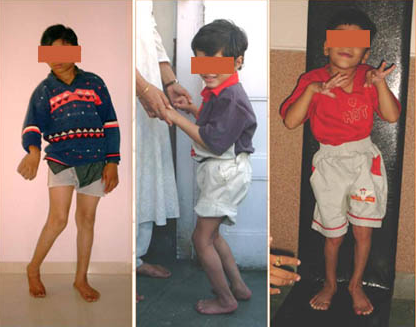
Hemiplegia in children is a neurological condition characterized by weakness or paralysis affecting one side of the body, including the arm and leg. It can affect a child’s movement, balance, walking, hand function and daily activities.
Early diagnosis, appropriate treatment and rehabilitation can significantly improve a child’s functional abilities and quality of life.
What Is Hemiplegia in Children?
Hemiplegia refers to weakness or paralysis on one side of the body (right or left). It occurs when the brain pathways responsible for controlling movement are affected.
Children may have difficulty using one hand, walking normally, maintaining balance or performing everyday activities.
Hemiplegia may be present from birth or develop later during childhood.
Causes of Hemiplegia in Children
Common causes include:
- Cerebral Palsy: Brain injury occurring before, during or shortly after birth can cause permanent weakness on one side of the body.
- Childhood Stroke: Blockage or bleeding in the brain can cause sudden weakness affecting one side.
- Brain Injury: Head trauma can damage areas responsible for movement.
- Brain Infection: Encephalitis or other serious infections may affect motor pathways.
- Brain Tumors: Certain brain tumors can cause progressive weakness.
- Brain Malformations: Conditions such as schizencephaly and other congenital brain abnormalities may cause hemiplegia.
Signs and Symptoms of Hemiplegia
Parents may notice:
- One arm or leg is weaker than the other.
- The child uses one hand much more frequently.
- Delayed crawling, standing or walking.
- Walking on toes or dragging one leg.
- Stiffness or tightness of muscles on one side.
- Difficulty holding objects or writing.
- Poor balance and coordination.
- Differences in muscle size between both sides.
In infants, early hand preference before 12 months may be a warning sign of unilateral motor difficulty and should be evaluated.
How Is Hemiplegia Diagnosed?
A pediatric neurologist evaluates the child’s developmental history, muscle strength, tone, reflexes, coordination and walking pattern.
Investigations may include:
- MRI Brain: Identifies stroke, brain injury, congenital abnormalities or other structural causes.
- EEG: If seizures are suspected.
- Genetic or metabolic tests: When an underlying genetic or metabolic condition is suspected.
- Developmental assessment: Evaluates motor, speech, cognitive and functional abilities.
Treatment of Hemiplegia in Children
Treatment depends on the underlying cause, age of the child and severity of weakness.
A multidisciplinary approach is often required.
1. Physiotherapy
Improves muscle strength, balance, posture, walking and mobility.
2. Occupational Therapy
Helps children improve hand function, coordination and independence in daily activities.
3. Constraint-Induced Movement Therapy (CIMT)
Encourages the use of the weaker hand by temporarily restricting the stronger hand under professional supervision.
4. Speech and Developmental Therapy
Helps children with associated speech, language, learning or developmental difficulties.
5. Management of Muscle Stiffness
Appropriate medications(baclofen, tizanidine, trihexiphenidyl), Botulinum toxin injections, and orthoses may help selected children with spasticity.
6. Treatment of the Underlying Cause
Childhood stroke, seizures, infections and other neurological conditions require appropriate medical management.
When Should Parents Consult a Child Neurologist?
Seek medical evaluation if your child:
- Uses one hand much more than the other at an early age.
- Has weakness or stiffness on one side.
- Has delayed motor milestones.
- Walks with an abnormal posture or gait.
- Develops sudden weakness of the face, arm or leg.
Sudden onset of one-sided weakness is a medical emergency. Seek immediate hospital assessment because childhood stroke and other serious neurological conditions need urgent treatment.
Can a Child with Hemiplegia Improve?
Yes. Many children with hemiplegia make meaningful progress with early diagnosis, regular rehabilitation and appropriate medical care.
The outcome depends on the underlying brain injury, severity of motor impairment and associated developmental difficulties. Early intervention helps maximize independence and participation in school and everyday life.
Child Neurologist in Kathmandu, Nepal
If your child has weakness of one side of the body, delayed motor development or suspected cerebral palsy, an early neurological assessment is important.
Dr. Asim Shrestha – Child Neurologist
Specialist evaluation and management of childhood neurological conditions, including hemiplegia, cerebral palsy, childhood stroke, epilepsy and developmental disorders. Visit: https://drasimchildneuro.com